

The Human Firewall: Why Cybersecurity Is Everyone's Responsibility
Monday, October 12, 2026
Story By: OSU Agriculture IT | dasnr_it@okstate.edu
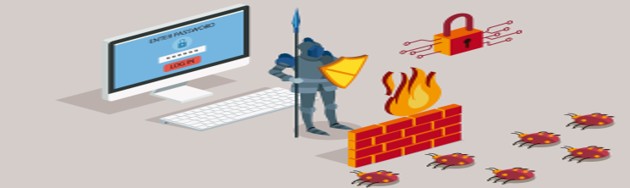
When we hear the word cybersecurity, we may think of firewalls, antivirus software, security systems, or IT professionals monitoring networks. These technologies are essential, but they are only one part of the equation.
Every individual who uses a computer, email account, mobile device, research system, or organizational network also plays a critical role in protecting information. Whether you are an employee, educator, researcher, or student, the decisions you make each day can help prevent a cyber incident.
Cybersecurity is not just an IT responsibility; it is a shared responsibility.
Organizations invest significant resources in technologies designed to detect, prevent and respond to cyber threats. However, one of the most important layers of defense is the people who use these systems. An informed and security conscious workforce forms what is often called human firewall: a layer of protection built through awareness, vigilance, and responsible security practices.
Just as a traditional firewall blocks malicious network traffic, individuals can help stop cyber threats by recognizing suspicious activity, questioning unusual requests, and reporting concerns before they escalate into larger incidents.
The Human Element of Cybersecurity
Cybercriminals do not always attack technology directly. Instead, many target people through social engineering, a technique that manipulates individuals into revealing sensitive information or performing actions that compromise security.
One of the most common examples is phishing. These fraudulent emails, text messages, or phone calls often appear to come from trusted sources such as supervisors, colleagues, financial institutions, service providers, or university departments. Their goal is to convince recipients to click malicious links, open infected attachments, share credentials, or approve unauthorized requests.
While security technology can identify and block many threats, no solution is foolproof. Often, the most effective defense is a moment of caution and critical thinking.
Remember: Stop. Think. Verify.
A familiar sender’s name, logo, or email address does not automatically guarantee legitimacy. If a message seems unusual, urgent, or unexpected, verify the request using a trusted communication method before taking action.
Five Simple Habits That Make a Difference
You do not need to be a cybersecurity expert to make a meaningful impact. Adopting a few simple habits can significantly reduce risk for both you and your organization
- Use Multifactor Authentication (MFA)
Even if credentials are compromised, MFA helps prevent unauthorized access.
However, MFA is only effective when used responsibly. Never approve an authentication request you did not initiate. Unexpected prompts may indicate that someone is attempting to access your account. - Use Strong, Unique Passwords
Avoid reusing passwords across multiple accounts. If one account becomes compromised, attackers frequently attempt to use the same credentials elsewhere.
Consider using a trusted password manager, such as Google Password Manager, Bitwarden, or another reputable service, to create and securely store strong, unique passwords for all your accounts. - Think Before You Click
Phishing messages are becoming increasingly sophisticated. Before clicking a link or opening an attachment, ask yourself:- Was I expecting this message?
- Do I recognize and trust the sender?
- Is the message creating a sense of urgency or pressure?
- Is it requesting passwords, financial information, or sensitive data?
- Does the link or attachment make sense in context?
When in doubt, verify before you act.
- . Keep Devices and Software Updated
Software updates often contain critical security patches that address newly discovered vulnerabilities. Keeping your devices, applications, and operating systems up to date helps protect against known threats.
While updates may occasionally feel inconvenient, delaying them can leave systems exposed to preventable attacks. - Report Suspicious Activity
If you receive a suspicious email, unexpected MFA notification, unusual login alert, or notice any other security concern, report it promptly.
Mistakes can happen. If you accidentally click a suspicious link or interact with a potentially malicious message, notify your IT or security team immediately. Early reporting can help contain threats and protect others from becoming victims.
For OSU Agriculture IT support and incident reporting, please visit our website.
Cybersecurity Is a Shared Responsibility
IT and security teams play an essential role in protecting organizational systems through monitoring, maintenance, threat detection, and incident response. However, even the most advanced security technologies cannot stop every threat.
That is where the human firewall becomes indispensable
By staying alert, protecting credentials, keeping devices updated, verifying unusual requests, and reporting suspicious activity, every individual contributes to a stronger security posture of an organization.
Cybersecurity is built on the small decisions we make every day. The next time an unexpected email arrives, an unfamiliar MFA notification appears, or someone requests sensitive information, take a moment to pause. Stop. Think. Verify.
That simple habit could prevent the next cyber incident.
References
For more information, visit our website.
Story By: OSU Agriculture IT | dasnr_it@okstate.edu