

Some Things Are Better Left Unplugged
Monday, October 12, 2026
Story By: OSU Agriculture IT | dasnr_it@okstate.edu
Did you know USB drives have been around for over 25 years (according to Wikipedia)! Now, they are commonplace; most of us have used one at some point. They're an easy way to move files around, and because they're so common, we usually don't think twice before plugging one into a computer.
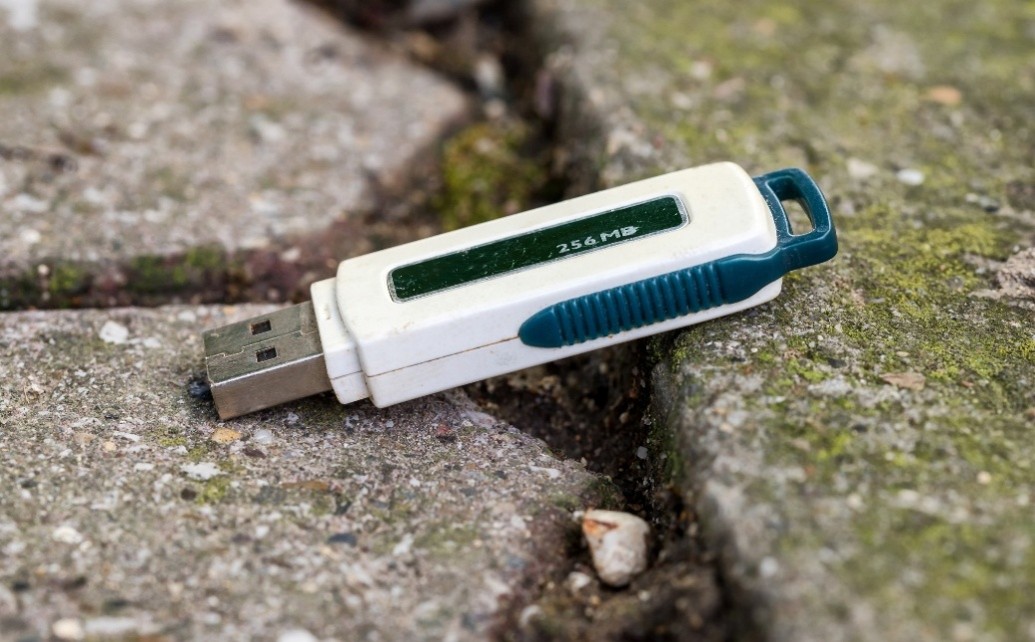
But let's say during the course of your day, you find a USB drive lying on the ground. You might be curious about what's on it, or maybe you just want to plug it in and figure out who it belongs to. Easy enough, no problems – right?!
What's the Risk?
The biggest problem with an unknown USB drive is simple: you have no idea where it came from or what's on it.
An unknown drive could contain malware or infected files. There have even been cases where USB drives were purposely left in public areas hoping someone would find one and plug it into a computer. Once it’s connected, you have potentially, unknowingly allowed unauthorized access to your computer.
That's why plugging in a random USB drive isn't worth the risk.
It's Not Just About Unknown USB Drives
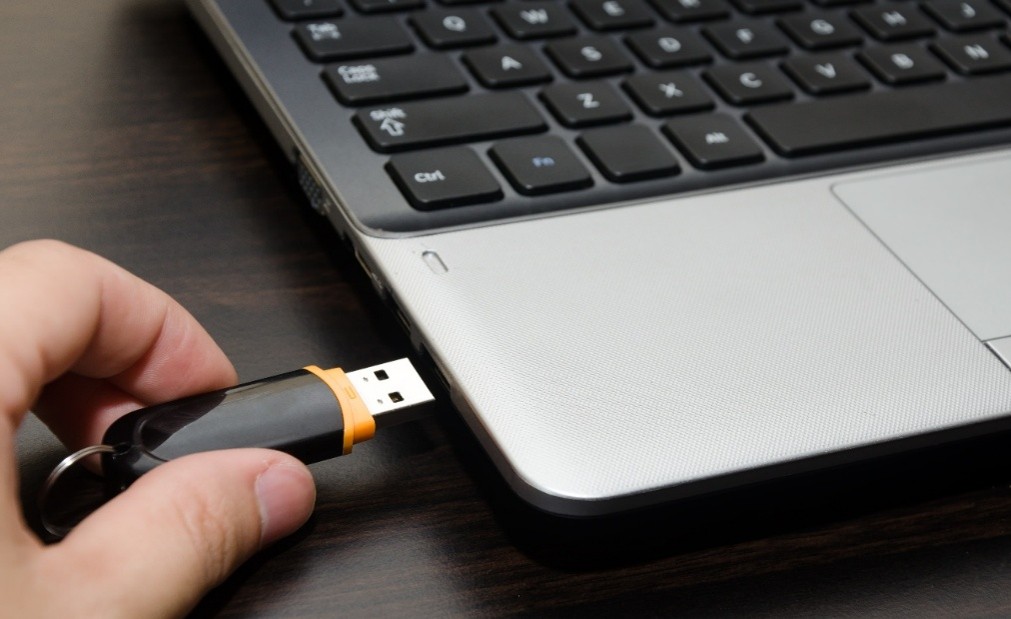
USB safety isn't limited to drives you find lying around. Think about the USB drives you already use and where they've been.
If you move the same drive between your work computer, home computer, conference computer, or other machines, you are also moving files between all those systems. Be careful about what you open and do not assume a file is safe just because it's on a USB drive you have used before.
What About the Data We Put on Them?
There's another side to USB safety that is easy to overlook: what information are you storing on the drive? Is it confidential, or does the data contain personally identifiable information (PII) such as social security numbers or financial account information?
USB drives are tiny. They get left plugged into computers, tossed into backpacks, stuck in desk drawers, and sometimes just disappear.
If you're using one to move work files or sensitive information, think about what would happen if you lost it and someone else found it. Depending on what's stored on the drive, losing something that fits in your pocket could potentially become a much bigger problem.
So, What Should You Do?
None of this means USB drives are bad or that you should never use one. We still use them in Agriculture IT, and they're useful when you need them.
The important part is knowing where the drive came from, being careful about what you open from it, and thinking about what information you store on it.
And if you find a random USB drive somewhere and don't know where it came from? Don't plug it in just to see what's on it. Some things are better left unplugged. If you are really curious, talk to an Ag IT Specialist and they may be able to help!
More Information
- Microsoft Support — How Malware Can Infect Your PC
- NIST — Reducing the Cybersecurity Risks of Portable Storage Media
- CISA — How to Protect the Data Stored on Your Devices
For more information, visit our website.
Story By: OSU Agriculture IT | dasnr_it@okstate.edu